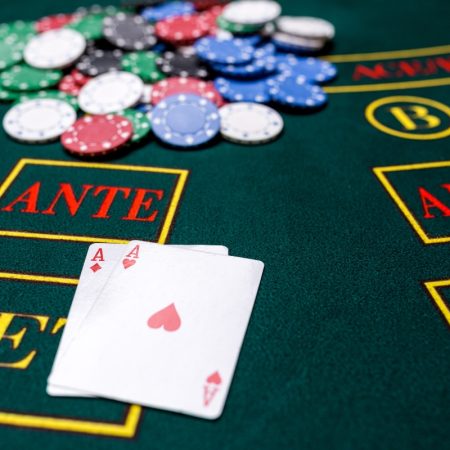






Walk into any sportsbook or online casino, and you’ll hear the same quiet question floating around: where’s the real advantage? Some players swear by game-day lines and point spreads, while others stick to slots, roulette, or blackjack because it feels simpler.
The debate around sports betting and casino games isn’t really about preference, though; it’s about control, math, and how much influence you actually have over the outcome.
And here’s the thing most people don’t say out loud: both options are designed for entertainment first, profit second. Still, one of them gives you more room to maneuver if you understand what you’re doing.
Let’s break it down without hype, without fantasy, and without pretending easy money exists.
How the House Edge Really Works
Every form of gambling has a house edge. That’s non-negotiable. Casinos don’t build massive resorts by accident, and sportsbooks don’t offer bonuses out of kindness.
In casino games, the house edge is baked into the rules. Slot machines might carry a house edge anywhere from 5% to well over 10%. Roulette depends on the version.
European roulette sits at around 2.7%, while American roulette jumps to about 5.26% because of the extra zero. Even blackjack, often seen as “player-friendly,” only drops below 1% if you follow perfect basic strategy without mistakes.
Sports betting works differently. Instead of fixed odds based on game mechanics, sportsbooks use pricing. The edge comes from the vig, also known as sportsbook juice.
A standard -110 line on both sides of a bet means the sportsbook holds roughly a 4.5% edge if action is balanced. That edge isn’t hidden in the rules; it’s visible in the betting odds.
This difference matters more than most people realize.
Skill vs. Chance: Where the Gap Starts to Show
Casino games rely almost entirely on chance. You can’t change how the reels spin or which card comes off the deck next.

Even in games with strategy, like blackjack or video poker, you’re limited by fixed probabilities. You can reduce losses, but you can’t force long-term advantage without advanced techniques most players never use.
Sports betting introduces something casinos don’t: decision-based outcomes. You’re not just pressing a button and hoping. You’re choosing teams, lines, totals, and markets based on the information available. Injuries, weather, matchups, travel schedules, motivation, all of it matters.
That’s where the sports betting vs. casino games debate tilts. Sports betting rewards preparation, while casino games reward patience and luck.
Does that mean sports betting is easy? Not even close. But it does mean skill has room to exist.
Variance and Bankroll Survival
Another overlooked factor is how quickly your bankroll can disappear.
Casino games, especially slots and fast-paced table games, burn money quickly.
One bad stretch at a blackjack table or a few minutes on high-volatility slots can wipe out a session before you even process what happened. The speed is exciting, but brutal.
Sports betting usually moves more slowly. You place a bet, wait for the game, and live with the result. That pacing naturally limits how many bets you can place in a day. Fewer bets mean fewer opportunities to make impulsive mistakes.
Variance still exists, of course. Bad beats happen. But managing a bankroll in sports betting is often more forgiving, especially if you stick to consistent unit sizing and avoid chasing losses.
Casino games don’t offer that same breathing room.
Can You Actually Beat Either Long-Term?
This is where honesty matters.
Most casino games cannot be beaten long-term by the average player. Period. The math doesn’t allow it. Card counting in blackjack is real, but casinos actively fight it, and very few players execute it well enough to stay profitable over time.
Sports betting, on the other hand, has documented long-term winners. They’re not flashy. They don’t win every day. But they exist because inefficiencies appear in betting markets, especially in smaller leagues, niche props, or early lines before sharp money moves them.
That doesn’t mean casual bettors automatically gain an edge. Most don’t. But the opportunity exists, and that alone separates sports betting from casino play.
In the long run, sports betting gives informed players at least a chance. Casino games mostly don’t.
Psychological Traps: Where Players Lose Control
Both environments come with mental traps, but they show up differently.
Casino games trigger rapid emotional swings. Quick wins lead to overconfidence. Quick losses lead to chasing. The environment is designed for stimulation, lights, sounds, and constant action. It’s fun, but it’s also dangerous for undisciplined players.
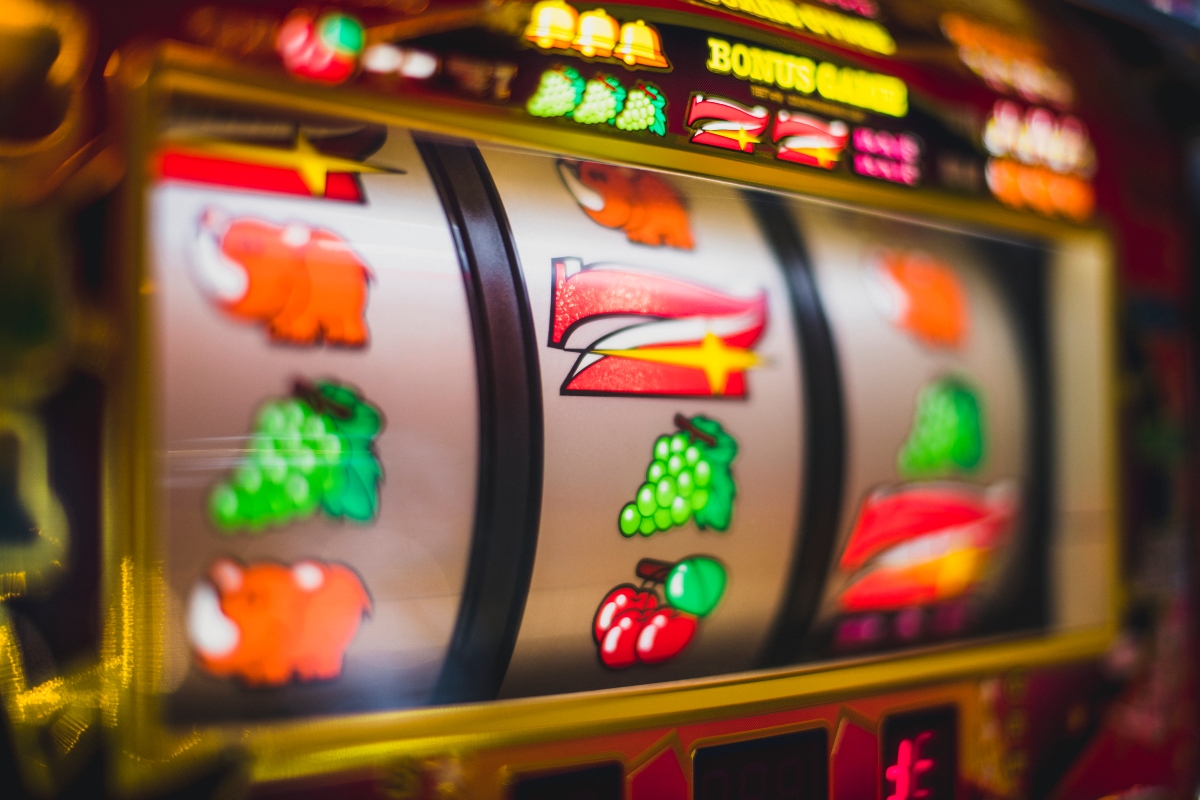
Sports betting triggers a different issue: overthinking. Bettors convince themselves they “know” an outcome, even when the edge isn’t there. They bet too many games, ignore bankroll rules, and treat opinions as analysis.
Neither is safer by default. The difference is that sports betting allows structure. You can limit bets, track performance, and evaluate decisions objectively, and with the right emotional control strategies, you can reduce overthinking and make more disciplined decisions.
Casino games don’t offer that same feedback loop.
Entertainment Value vs. Strategic Value
If your goal is entertainment, casino games are a good choice for many people. They’re simple, immediate, and social. You don’t need research or preparation, just time and money.
If your goal includes strategy, learning, and improving decision-making, sports betting stands apart. You can specialize in one league, one market, or even one type of bet. Over time, patterns emerge. Results become data, not just outcomes.
This is why serious bettors gravitate toward sports, while casual players often prefer casino games. The experience matches the mindset.
So Which One Gives You the Real Edge?
When comparing sports betting and casino games, the answer depends on what you mean by “edge.”
If you mean guaranteed profit, neither offers it. If you mean control, decision-making, and the possibility, however small, of long-term success, sports betting comes out ahead.
Casino games are entertainment with predictable losses over time. Sports betting is competition against the market, not just the house. That difference changes everything.
Final Verdict: Play Smart, Not Blind
Sports betting isn’t magic, and it’s not easy, but it gives players something casino games rarely do: agency. If you care about odds, information, and disciplined decision-making, sports betting offers more room to grow and adapt.
If you’re looking to compare platforms, odds, and betting features that support smarter wagering decisions, Best Online Sportsbooks provides detailed insights to help you choose environments where that edge actually has a chance to matter.